



Van downtime costing fleets more than £1,000 a day
Return to news22nd May 2026
UK businesses lose more than £1,170 for every day a van is off the road, according to new Mercedes-Benz Vans research.
Mercedes-Benz Vans is highlighting the operational impact of vehicle downtime after new research found UK businesses lose an average of £1,172.20 for every day a van is unavailable.
Research conducted by Opinium among 500 senior decision makers at UK businesses that rely on vans found that companies experienced an average of six-and-a-half days of disruption over the past 12 months.
The research found downtime affects more than revenue, with 41% of businesses saying vehicle issues cause staff stress, while 33% reported workflow disruption and 29% said employees were forced to work longer hours.
Ensure you always receive AM insights. Make us a preferred source of news on Google
Customer service impacts were also significant, with 24% of businesses reporting customer complaints and missed performance targets, while 18% worried about losing contracts.
The importance of predictive maintenance
Mercedes-Benz Vans is working with fleet customers using its Van Uptime Monitor system, which continuously monitors vehicle technical condition and alerts operators to potential issues before faults develop.
The system connects vehicles with Mercedes-Benz workshops, allowing fleets to identify maintenance requirements early and reduce unplanned downtime.
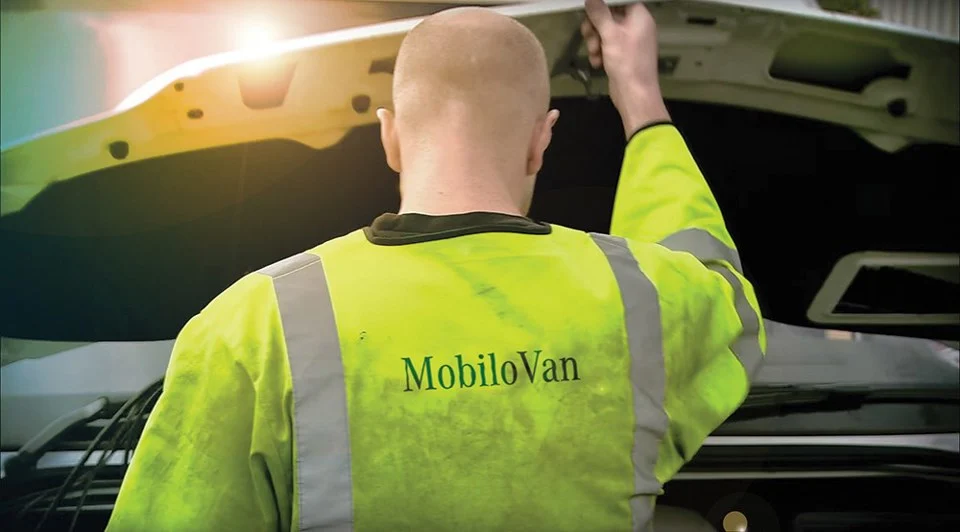
The manufacturer also supports van fleets with its 24/7 Europe-wide MobiloVan roadside assistance service, which it said resolves around 82% of call-outs at the roadside.
Simon Neill, operations director at Mercedes-Benz Vans UK, said: “For many UK businesses, a van isn’t just a van. It’s the business showing up.
“Our new research lays bare what happens when vans – which are often at the heart of our communities – go off the road.
“Vehicle uptime isn’t something you can park in the operations folder and forget about. It shapes productivity, customer relationships, and it lands on people first.”
 Please keep me up to date. Click this box to opt-in to our news and information service